
Rato Power Equipment

Rato
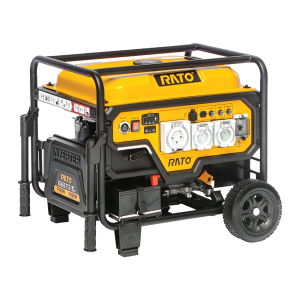
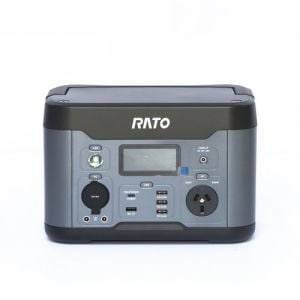
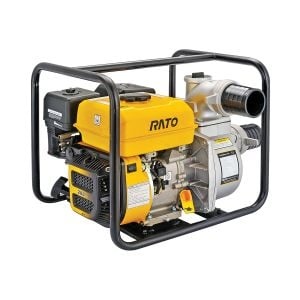
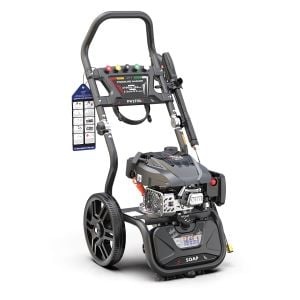
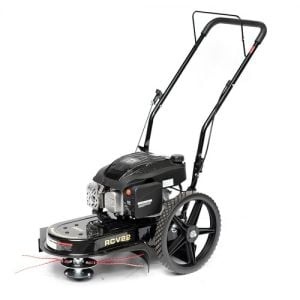
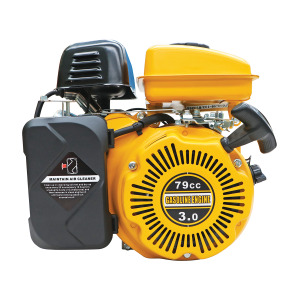


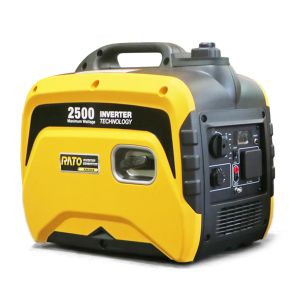


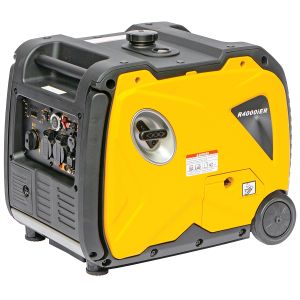


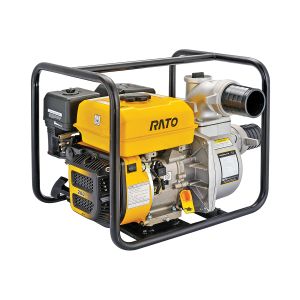
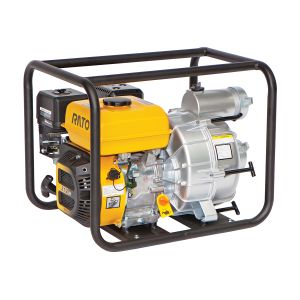
Rato produces compact engines and portable power equipment, including a wide range of generators for home backup, job sites, and camping. Known for practical designs and dependable OHV engines, the lineup spans quiet inverter units and robust open-frame models with features like low-oil shutdown, multiple outlets, and straightforward maintenance. Built for everyday reliability, Rato generators balance performance, portability, and value for users who need power on the go or during outages.
Rato FAQs
What types of generators does Rato make?
The range typically includes inverter generators for clean, quiet power and traditional open-frame models for higher output and durability. Many units offer 230V AC outlets, 12V DC charging, and protection features such as overload and low-oil shutdown.
Are Rato inverter generators safe for laptops and other sensitive electronics?
Yes. Inverter models produce stable, low-THD power suitable for devices like laptops, TVs, and chargers. For non-inverter (AVR) models powering sensitive equipment, adding a UPS or power conditioner is a common best practice.
How loud are Rato generators in real use?
Noise varies by model and load. Inverter units are engineered for quieter operation—often comparable to normal conversation at 7 metres—while open-frame models are louder due to higher airflow and engine speed. Using ECO mode, placing the unit on level ground, and increasing distance can reduce perceived noise.
What size Rato generator is recommended?
Calculate total running watts, include starting (surge) watts for motors/compressors, then select a generator with headroom for spikes. As a guide, small campsites often suit 1–2 kW inverter models, while home backup for fridges, lights, and small appliances may require 3–6 kW depending on simultaneous loads.
Can a Rato generator be used for home backup in Australia?
Portable generators must be connected safely and legally. For fixed backup, a licensed electrician should install an appropriate transfer solution in line with local regulations (e.g., AS/NZS 3010 for generator installations). Never back-feed a household circuit; use a compliant inlet and switching arrangement.